Chainflip halts swaps after reported Ethereum vault drain
Chainflip has paused its protocol after a reported Ethereum vault drain. Researchers identified an unusual valid signature, but the cause remains unconfirmed.
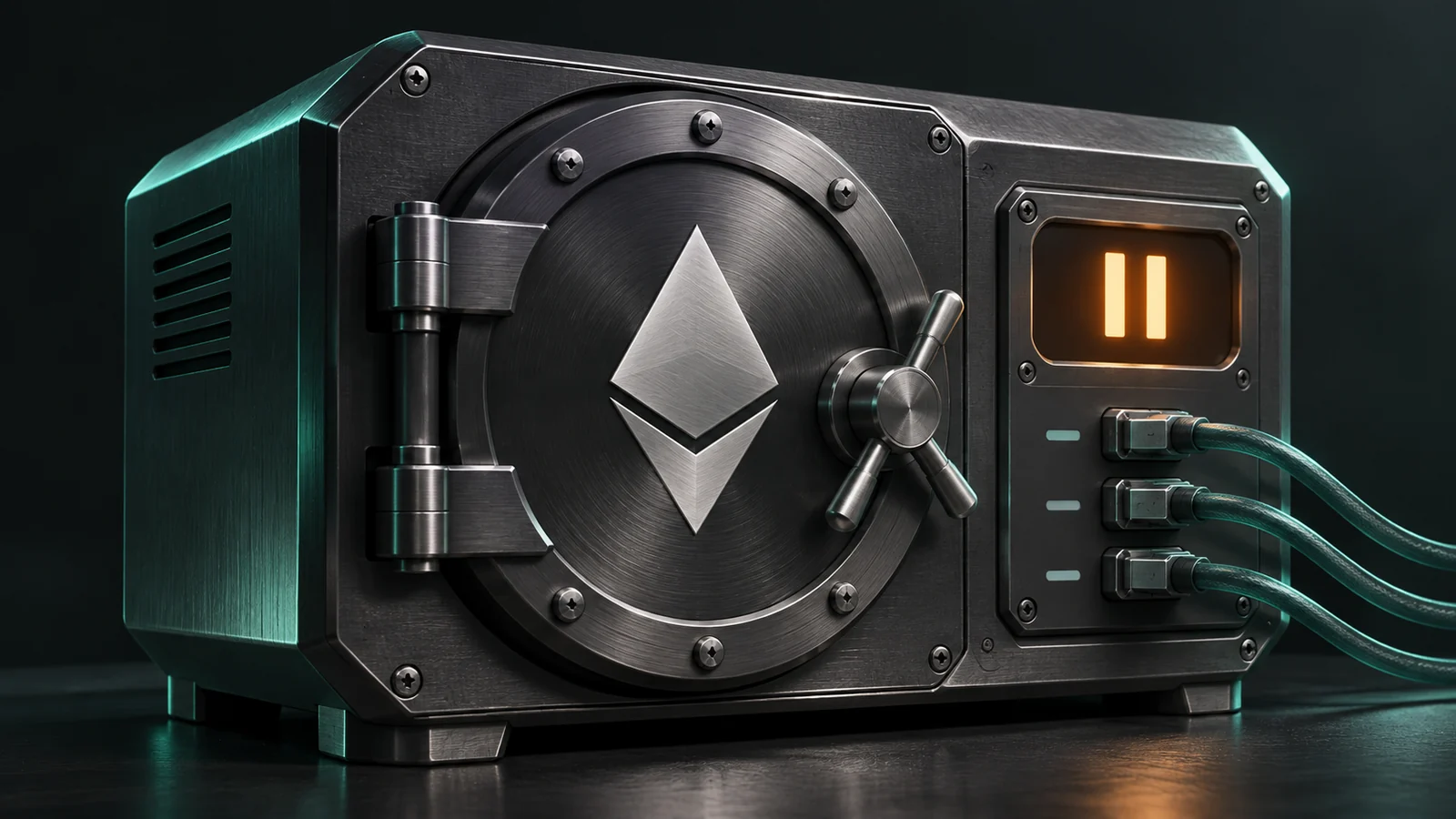
Chainflip has halted its cross-chain swapping protocol after researchers reported that a transaction drained its Ethereum vault on November 21. The disruption affects more than withdrawals: The Block reports that the project placed the protocol in full safe mode, disabling deposits, withdrawals, swaps and quoting.
The official Chainflip website separately confirms that its services are temporarily unavailable. The cause of the reported drain remains unresolved. A payment accepted by a vault establishes that its authorization checks passed; it does not, by itself, establish how somebody obtained the authority to make that payment.
What researchers found on Ethereum
In a November 21 investigation, blockchain data provider Bitquery traced a single transaction at 07:10:59 UTC that transferred approximately 520.2 ETH, 3.25 million USDC and 758,000 USDT from Chainflip’s Ethereum vault. Those are reported quantities transferred during the incident, rather than a current valuation of the loss.
Bitquery says the transaction carried a valid signature but an unusual nonce, the number used to distinguish one signed authorization from another. Its review found that this was the only accepted signature among 299,677 examined since 2023 that departed from the normal running count. The researchers interpret that difference as evidence that the payment did not follow the usual signing process.
The same investigation explicitly leaves open whether a key leaked or an authorization check failed. Bitquery observed a key change at 08:53 UTC and no subsequent Ethereum signatures through its 11:23 UTC data cutoff. That observation is a historical snapshot, not confirmation of the protocol’s present recovery state.
Why a valid signature leaves questions unanswered
Chainflip uses shared validator signing to authorize vault transfers. According to The Block, the network has 150 validators and requires 100 participants to sign; its aggregate key normally rotates every three days. The publication reports suspicions of key compromise, but says Chainflip has not explained how a compromise may have occurred.
The distinction matters when assessing a security report. A threshold is a rule for producing an authorization under the intended design. An investigation must still determine whether that process operated as designed, whether another path produced an acceptable signature, and which controls failed. The available reports do not settle those questions.
Likewise, changing a signing key is a response measure. It should not be read as proof that every affected component has been repaired, that services are ready to reopen, or that users will recover a particular amount.
What the pause means for swap users
A protocol-wide pause can interrupt several stages of a cross-chain transaction. For readers, the practical distinction is between a transfer recorded on a source blockchain and a completed payout on a destination blockchain. Evidence of the first does not establish the second.
For an existing order, an explorer record, a service status message and a destination transfer answer different questions. An incident therefore calls for checking the relevant records and official updates, rather than treating a successful deposit transaction as a receipt for the entire swap. A missing payout alone also does not identify the cause.
GhostSwap’s earlier reporting on the Gopax transfer pause offers another example of operational restrictions during a security response. Its coverage of Hashi’s Bitcoin-backed lending launch on Sui examines a different architecture involving assets across networks. Neither establishes what happened inside Chainflip; the systems and their controls need separate assessment.
The next material evidence will be Chainflip’s incident findings and a clear account of service restoration and affected transactions. Until then, the confirmed outage and researchers’ transaction analysis support reporting a serious interruption, while its precise cause and resolution remain open.