HSBC RedCoin Launches on PayMe: What Its Wallet Limits Mean
HSBC launched RedCoin on PayMe on October 23. Its private-chain design, separate app wallets and lack of deposit protection define the service's limits.
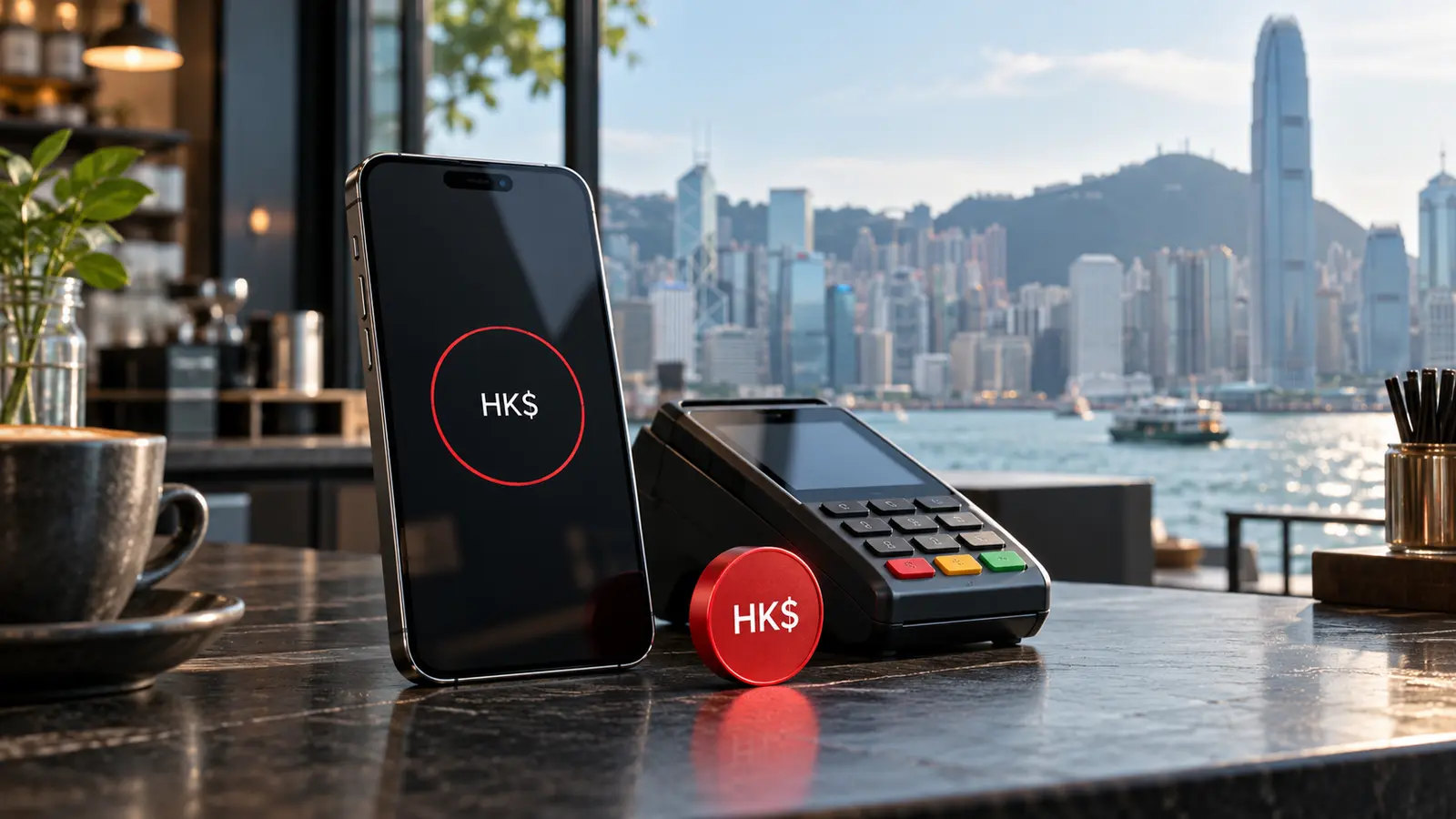
HSBC launched its Hong Kong dollar stablecoin, RedCoin, on October 23, 2026, bringing a bank-issued token into everyday payments through PayMe. The rollout starts with a familiar use: paying other people and merchants inside an existing app. It does not make RedCoin an unrestricted substitute for a token held in a personal crypto wallet.
The distinction matters because the word “stablecoin” describes a value target, not a universal set of transfer rights. HSBC’s launch materials and technical documentation set out a service with specific distribution channels, custody arrangements and limits.
What is available at launch
In its October 23 announcement, HSBC said more than 3.3 million PayMe users would be able to activate an in-app stablecoin wallet over the coming days. It described person-to-person transfers and payments through PayMe’s network of more than 100,000 merchants.
RedCoin uses the ticker RCHKD and is denominated in Hong Kong dollars. The bank operates under a Hong Kong Monetary Authority stablecoin issuer licence. Later this year, HSBC plans to introduce a wallet in its Hong Kong mobile banking app and access to tokenised investment products. Those investment functions are future plans, rather than features established as live by today’s announcement.
A permissioned token, not an open-chain launch
The RedCoin white paper, dated October 23, describes issuance on HSBC’s private, permissioned blockchain. It says the smart contract is compatible with the Ethereum Virtual Machine and follows the ERC-20 standard at the contract level.
Technical compatibility does not establish public Ethereum availability. In this design, an ERC-20 reference is a description of the contract’s functional basis; it is not evidence that a user can withdraw RedCoin to an arbitrary Ethereum address or trade it through an unrelated application.
The paper also describes HSBC custody through an omnibus wallet, with internal records identifying each holder’s entitlement. The bank retains the wallet’s private key. This differs from a self-custody arrangement in which the individual controls the signing key.
For readers following GhostSwap’s cross-chain reporting, the practical lesson is to distinguish a token’s technical format from its permitted destination. Shared terminology alone does not connect two payment systems.
The two app wallets will remain separate
HSBC’s product FAQ says the PayMe and HSBC HK app stablecoin wallets will be separate, and RedCoin will not be transferable between them. The banking-app wallet is still listed as coming soon.
That is a useful boundary even within one banking brand. A future wallet appearing beside a bank account does not automatically mean that every balance can move between every app. A payment product should be assessed by its documented transfer paths, rather than the assumption that a single issuer implies universal interoperability.
For example, someone comparing a PayMe payment with a transfer to an external crypto wallet is comparing different destinations. The documented PayMe use case establishes the former; it does not establish the latter. GhostSwap’s earlier stablecoin security coverage explains why the asset name and the actual transfer arrangement need separate attention.
Reserve backing is not deposit protection
HSBC says RedCoin is backed by segregated, high-quality liquid assets and redeemable one-for-one for Hong Kong dollars, subject to its terms. Its product page explicitly states that RedCoin is not a protected deposit and does not fall under Hong Kong’s Deposit Protection Scheme.
The page provides daily circulation and reserve information, but says the first independent reserve attestation report is expected after the fourth quarter of 2026. Published issuer figures and an independent attestation are different forms of evidence; a planned report should not be described as one already delivered.
The launch is therefore most concretely understood as a new regulated payment balance within PayMe, with further services planned. Its significance lies in making stablecoin payments accessible through an established consumer app. Its limits remain equally concrete: controlled custody, defined app channels, separate wallets and protections that differ from those attached to a bank deposit.