Invesco Launches Stablecoin Reserve Fund With Shares on Ethereum
Invesco’s IROXX fund gives eligible stablecoin issuers a way to hold tokenized reserve assets. Ethereum records share ownership, while fund redemptions follow business-day rules.
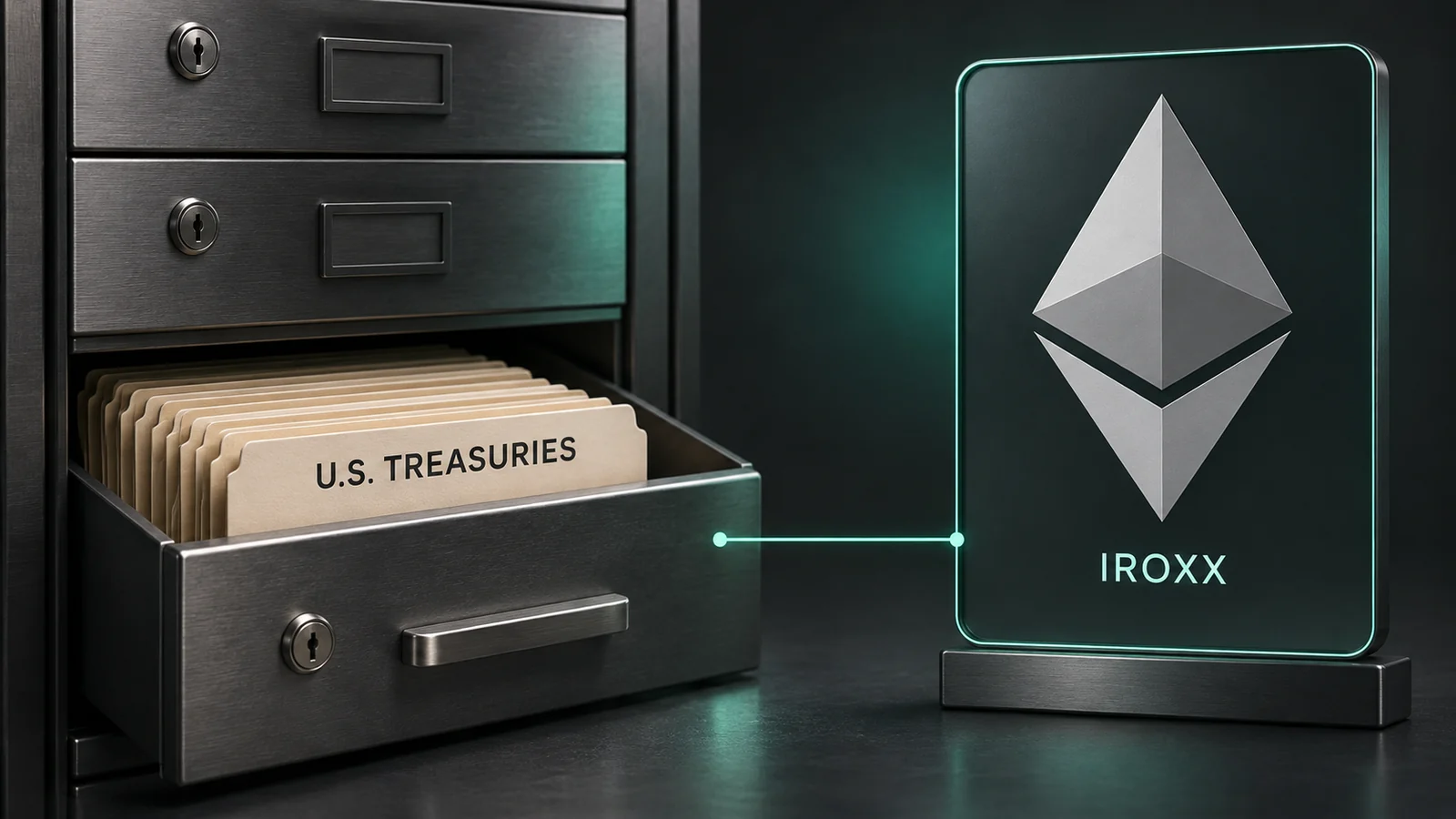
Invesco announced the launch of a money market fund on November 17 designed for companies that issue stablecoins. The Invesco Stablecoin Reserves Onchain Fund, known by its ticker IROXX, puts a record of fund share ownership on Ethereum. The fund itself invests in short-term U.S. Treasury securities and other eligible reserve assets rather than buying stablecoins.
In its launch announcement, Invesco said the product is initially intended for institutions such as stablecoin issuers and companies that provide infrastructure for digital assets. It is a registered government money market fund. Superstate supplies the technology for recording shares and processing share activity, while Invesco manages the investments. Superstate’s asset directory lists Ethereum as the network for IROXX.
A share in the reserve fund is separate from the stablecoin it backs
When a company issues a dollar stablecoin, the token in a customer’s wallet and the assets the issuer holds to meet redemptions are separate. An issuer could hold IROXX shares as part of its reserves. The customer would still hold the issuer’s stablecoin and would not acquire a share of IROXX. The launch announcement does not identify a stablecoin that has adopted the fund as backing.
That distinction also explains USDC’s role. The November 13 prospectus says purchase orders can be funded in USDC through a third-party intermediary, which may also offer redemption proceeds in USDC. Using a stablecoin to fund a transaction does not mean the portfolio holds that stablecoin. In the same way, a transfer recorded in Ethereum does not mean the fund invests in ether.
Ethereum shows share activity; eligibility is managed separately
Ethereum records the tokenized shares and their transfers. Superstate also maintains a separate register that associates approved wallet addresses with shareholders’ identities. The two records together make up the fund’s official shareholder register under the prospectus. A public chain can show a balance at an address without giving a reader the off-chain identity behind it.
Access to the shares is restricted to verified participants. Superstate manages the list of approved wallets under the oversight of Invesco’s transfer agent, and transfers can be rejected or suspended. That makes a public record useful for verifying share activity, but it does not turn the shares into a token that any address can freely receive and trade. For a stablecoin holder, seeing IROXX at a wallet address would also reveal only one piece of the picture. A share balance alone cannot establish how much a stablecoin issuer owes, what else is in its reserves or how quickly it can meet redemptions.
Moving a share and redeeming it run on different clocks
The prospectus allows a transfer between eligible wallets to change recorded ownership even when the fund is closed for business. Redeeming a share is a different transaction. The fund generally uses a 5 p.m. Eastern Time business-day cutoff for same-day redemption processing, with exceptions such as early closes. An approved wallet may therefore receive a share while a request to cash it out still has to wait for the fund’s next processing window.
The prospectus also says IROXX seeks to maintain a stable share price but can lose money and does not carry federal deposit insurance. The gap between a token’s transfer rules and the terms for getting money back is familiar from GhostSwap’s coverage of proposed stablecoin redemption rules in Canada. It also helps distinguish IROXX from SoFiUSD’s rollout on Polygon: one product gives institutions a way to hold part of the reserve, while the other puts a payment token in customers’ hands.