Samsung Wallet USDC Accounts Go Live: Custody and Transfer Limits
Samsung Wallet’s USDC account is live for eligible U.S. users. Custody, network support and bank-payout fees define what the launch delivers.
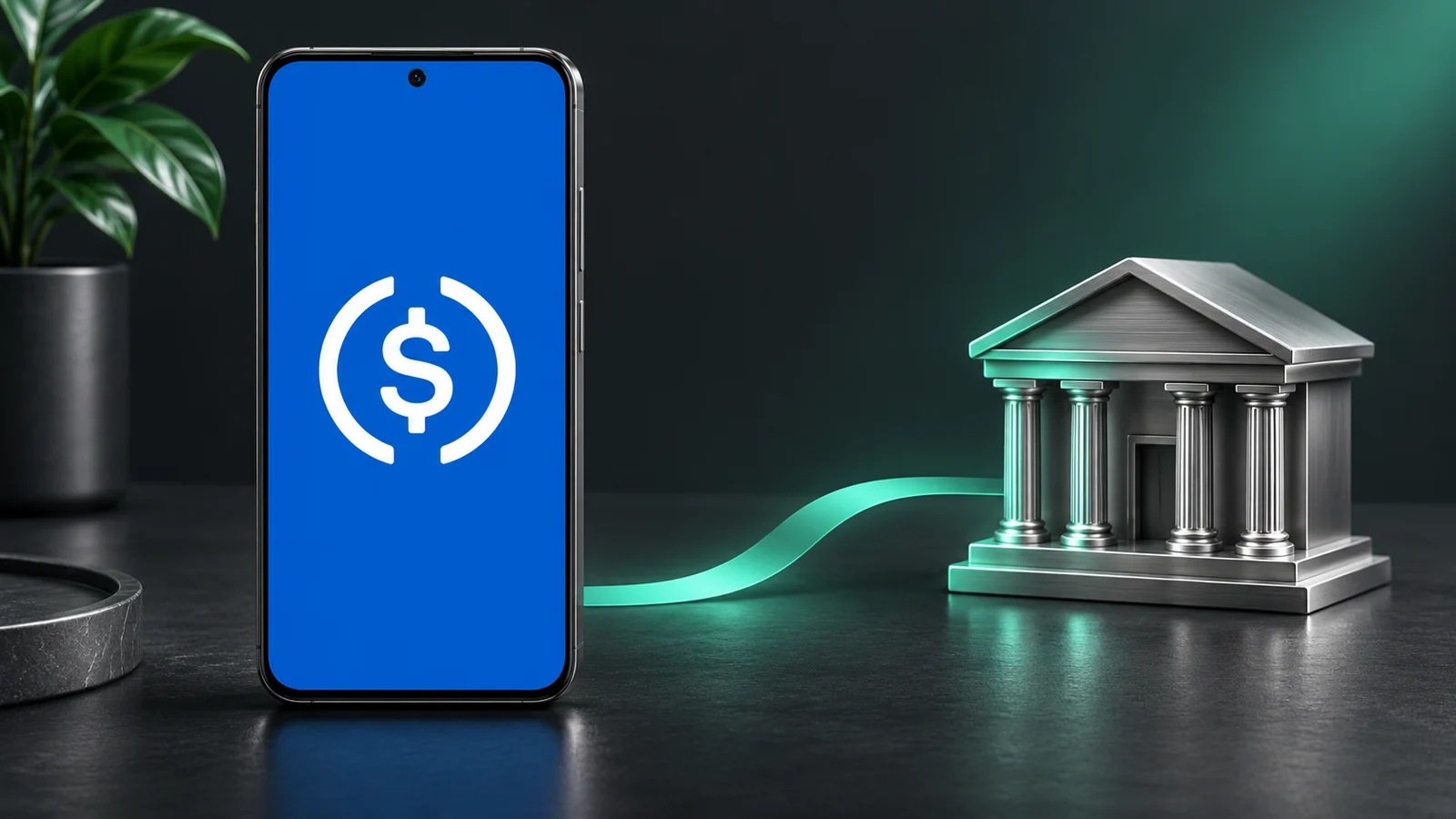
Samsung Wallet’s Stablecoin Account is now live for eligible U.S. Galaxy users, bringing USDC on Solana into the phone’s existing wallet app. Launch-day reporting published November 5, 2026 describes a service for holding digital dollars, transferring them to compatible wallets and arranging overseas bank payouts.
The distinction between those destinations matters. A recipient who receives USDC still holds a digital asset. A recipient paid into an eligible overseas bank account receives local currency through a separate remittance service. Putting both options inside one app makes the interface simpler without making their costs, custody or delivery conditions identical.
A live account follows October’s announcement
Samsung’s original announcement was dated October 7 and posted October 8. It targeted the final week of October. November 5 is the reported live-launch date, rather than the date Samsung first unveiled the plans. The launch coverage identifies Solana; the earlier announcement also named Sui among infrastructure partners. That earlier reference alone does not establish that every proposed network is available in the live account.
For the transfer market, the development is distribution: USDC becomes accessible inside a familiar consumer wallet instead of requiring a separate crypto application. Whether that translates into sustained use remains an open question. A compatible device count would measure potential reach, not funded accounts or completed payments.
Who holds the USDC?
Samsung’s Stablecoin Account FAQ says Bastion supplies the custodial wallet and money-movement services, with USDC held through Coinbase institutional custody under Bastion’s arrangement. Samsung provides the app experience. Users are not managing the account as a self-custody wallet.
The FAQ also states that this is not a bank account and that the USDC balance lacks FDIC, NCUA and SIPC protection. Availability excludes New York residents. Eligible users must be adults, use a supported device with Android 13 or later and complete identity verification; fingerprint authentication is required.
That structure offers convenience, but it changes the relevant questions. Access depends on an account and service providers, rather than possession of a private key alone. The account should therefore be assessed as a custodial product, even though its balance is a blockchain-based asset. A familiar phone interface is not evidence of deposit insurance.
Wallet transfers and bank payouts have different terms
Samsung’s announcement says it does not charge for USDC transfers to compatible external wallets, while warning that receiving providers may impose charges and that network conditions affect speed. International bank payouts carry fees that vary by destination and amount. The advertised coverage exceeds 60 countries, but the available list and recipient eligibility are shown in the app.
A fair comparison follows the complete route: funding the balance, moving the asset and receiving spendable money. A zero fee on one leg does not establish a zero-cost journey. GhostSwap’s report on MAJORITY’s USDC remittance service explores a related distinction between wallet delivery and a recipient’s eventual cash-out.
The network remains part of the address
Samsung’s FAQ warns that both wallets must support USDC on the same network; unsupported assets or a wrong network can cause permanent loss. It also says network support and functions may change. The live product’s displayed route is more useful than assuming a stablecoin name identifies every compatible destination.
That issue extends beyond this launch. GhostSwap’s coverage of RLUSD’s multi-network Coinbase availability explains the same asset-versus-network distinction. Samsung’s account reduces the number of apps needed to access USDC, but it does not remove the need for compatible receiving infrastructure. Its practical reach will be defined by the supported route, account eligibility and final amount delivered—not simply the presence of a stablecoin button.