SBI Solana Global Starts Operations in Japan
SBI Solana Global has begun operations in Japan, with plans for stablecoin payments and tokenized assets. The launch did not include a retail product.
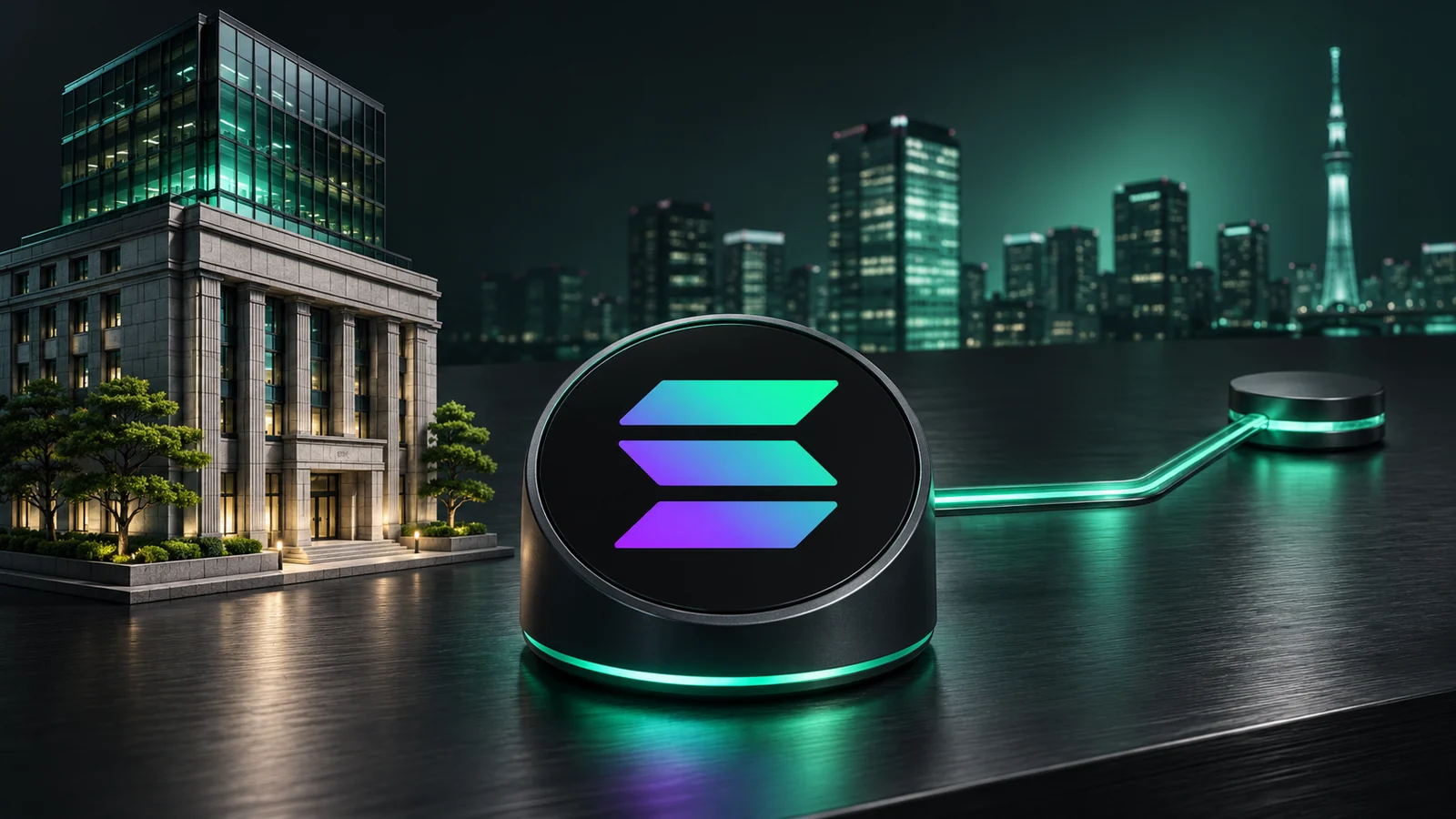
SBI R3 Japan began operating as SBI Solana Global on November 25 after SBI Holdings, Sumitomo Mitsui Financial Group and the Solana Foundation completed agreements for a new joint venture structure. The company plans to build stablecoin payment infrastructure and help issue and distribute tokenized assets. The launch marks a change in who is building those services in Japan; it did not open a new retail payment route.
The joint announcement says the Solana Foundation will work with the venture on its expansion. The company intends to establish its business in Japan first, then extend what it learns to other markets in Asia and connect with global on-chain markets. Those are plans for expansion, without a country-by-country rollout schedule.
What the venture plans to build
Payments are the most direct application. The company’s business outline describes infrastructure for domestic and cross-border payments and remittances using stablecoins. It also names small payments made by AI agents as a possible use case. It does not specify which stablecoins the payment rail will use, which institutions will connect first or when people will be able to make a transfer through it.
The company separates tokenizing financial assets from tokenizing other assets. The financial side covers instruments such as bonds, funds and loan receivables, with work on issuance and distribution. The other side covers assets such as commodities and associated rights, where being able to trace an asset or verify its origin is part of the proposed business. The venture also plans to explore asset management services based on stablecoins and tokenized assets.
Where a blockchain fits into a payment
A stablecoin can serve as the asset that moves across a blockchain, but that is only one part of delivering a payment. As an example, a business might fund a payment through a provider in one country, have settlement take place on a network, and have the recipient receive local currency through another provider. The two ends still need their own arrangements for funding, conversion and delivery. This example describes a possible design; the venture has not announced that route.
Tokenization has a similar distinction. Recording a bond or fund interest on a network may change how ownership is recorded or transferred. Who can own it, what claims it confers and how it can be redeemed depend on that instrument’s terms. The venture’s launch does not establish terms for any particular security.
What to look for in a product launch
The Block’s reporting also distinguishes the completed transition from the work the venture intends to pursue. For a payment product, actual availability would be clearer once an announcement names the providers on each end, the eligible users, the settlement asset, the supported markets and the payout terms. A tokenized fund or bond would call for different details, including the issuer and investor eligibility.
Recent announcements show why those details matter. GhostSwap’s coverage of DBS and Circle’s institutional settlement arrangement describes a narrower service with a named asset and customer group. The addition of Solana to Polygon’s payments stack illustrates a different layer: software connecting bank funding, wallets and payouts. Neither is part of today’s venture announcement. For SBI Solana Global, the next milestone readers can assess is a named service with published terms.